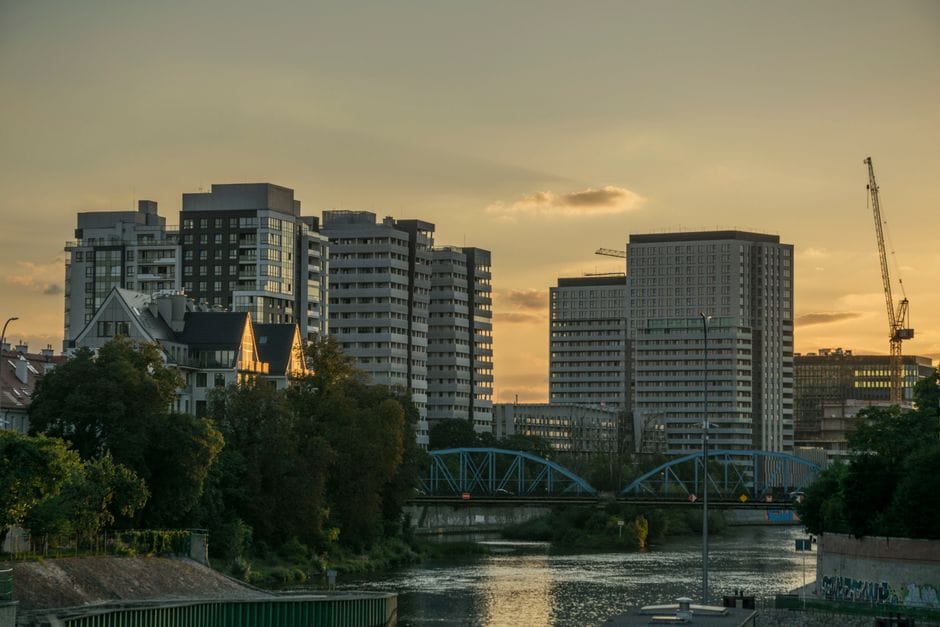
Wroclaw, in the south-west of Poland, is one of those cities that surprises people who arrive with no expectations. Built across a dozen islands where rivers braid together, it is laced with bridges, crowned by a gorgeous market square of painted townhouses, and scattered with a peculiar and delightful detail: hundreds of tiny bronze dwarves, hidden in plain sight all over the city.
The square and the islands
The Rynek, the main market square, is among the largest and prettiest in Europe, ringed by tall, colourful merchant houses and busy with cafes and life. From there, wander out to Cathedral Island, the oldest part of the city, where the streets are quieter and the spires rise over the water. Crossing the bridges between the islands is half the pleasure of the place.
The dwarves
- Keep your eyes down as well as up; the little bronze dwarves, hundreds of them, sit on pavements, ledges and doorsteps doing comic things.
- Hunting them is a fine way to explore, especially with children, who treat it as a treasure hunt.
- Pick up a map of them if you want to be systematic, or simply stumble across them as you walk.
Practical notes
Wroclaw is well served by budget flights from the UK and is cheap once you arrive, with Poland's usual good value on food, drink and rooms. The centre is compact and walkable, and trams cover anything further out.
It works in any season; summer brings life to the squares and riverbanks, while winter wraps the painted houses in frost and lights. Give it two or three days, hunt some dwarves, eat well and cheaply, and enjoy a beautiful Polish city that far fewer British visitors know than Krakow. Wroclaw is a quiet gem, and well worth the short flight.