The Pembrokeshire Coast Path runs for nearly 200 miles around the far south-west of Wales, along some of the finest sea cliffs in Britain. You do not have to walk all of it; a few well-chosen day stretches give you the best of it. And the best time to come is spring, when the cliffs are thick with wildflowers, the seabirds are back on the ledges and the beaches are still empty.
Why spring
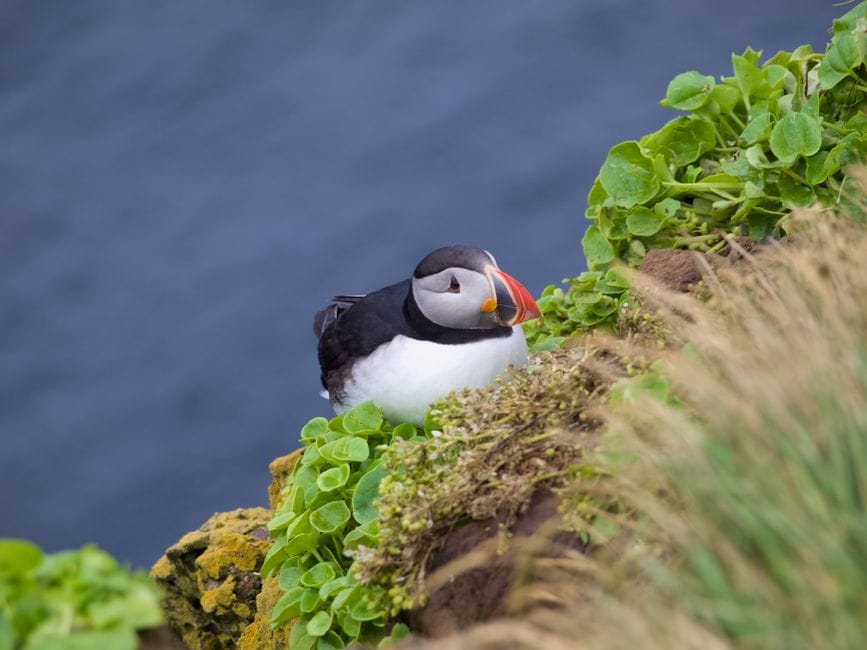
From April the cliff tops turn into a garden, with thrift, sea campion and bluebells flowering right to the edge. Offshore, the islands fill with nesting seabirds, and boat trips run to see puffins, guillemots and razorbills at close quarters. The weather is kinder than winter but the summer crowds have not yet arrived, so the path and the beaches are quiet.
The best stretches
- The section around St Davids, Britain's smallest city, takes in dramatic cliffs and the chance of a boat to Ramsey Island.
- The stretch near the Marloes peninsula offers wildflowers and views to the seabird islands of Skomer and Skokholm.
- The northern cliffs near Strumble Head are wilder and quieter, good for seals and the occasional porpoise.
Walking it well
The path is well waymarked but undulating, forever dropping to a cove and climbing out again, so it is more tiring than the distances suggest; pace yourself accordingly. Wear proper boots, carry water and a waterproof, and check bus times, because a coastal bus service lets you walk one way and ride back.
Base yourself in St Davids, Solva or one of the coastal villages and walk a different stretch each day. Spring gives you the path at its glorious best: flowers underfoot, seabirds wheeling offshore and the Atlantic stretching away to the horizon. It is among the great coastal walks of Britain, and few seasons show it off as well.