Berlin has been the cool German city for so long that it has become expensive and, in places, a little pleased with itself. An hour south by fast train sits Leipzig, which has quietly become the more interesting choice: a city of music and books, of grand nineteenth-century architecture and converted industrial buildings, with a creative energy that Berlin had a decade or two ago and prices to match that earlier era.
A city of music and trade
Leipzig has serious cultural weight. Bach worked here, Mendelssohn too, and the tradition lives on in the churches and concert halls. It was also a great trading city, and the old merchant arcades and courtyards in the centre are a pleasure to wander. The peaceful revolution that helped bring down the Berlin Wall began in its churches, a history the city wears quietly.
What to do
- Explore the Spinnerei, a vast former cotton mill now full of galleries and studios, the heart of the city's art scene.
- Hear music where it belongs, in a church or the famous concert hall, often for far less than you would pay elsewhere.
- Wander the Plagwitz district for canals, cafes and the relaxed, slightly scruffy charm that draws comparisons to early Berlin.
Practical notes
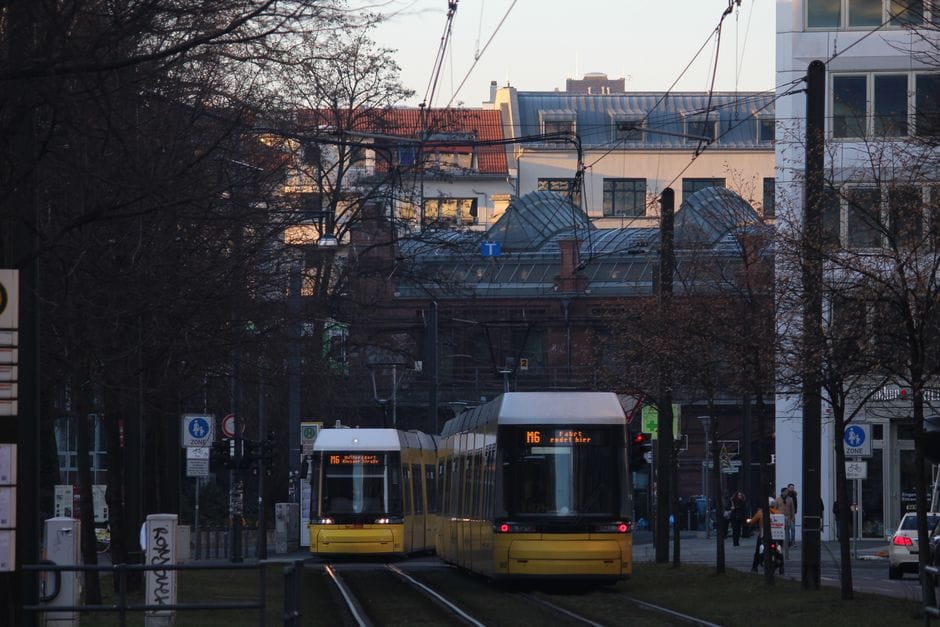
Leipzig is well connected by train across Germany and has its own airport, and the city is compact with good trams, so getting about is easy and cheap. Food, drink and rooms cost noticeably less than in the big-name capitals.
It will not overwhelm you with must-see sights, and that is rather the point. Leipzig is a city to live in for a few days, to drink coffee, hear some music, browse some galleries and enjoy a place that feels genuine rather than packaged. Go now, before everyone else works out what Berlin-lovers already have.