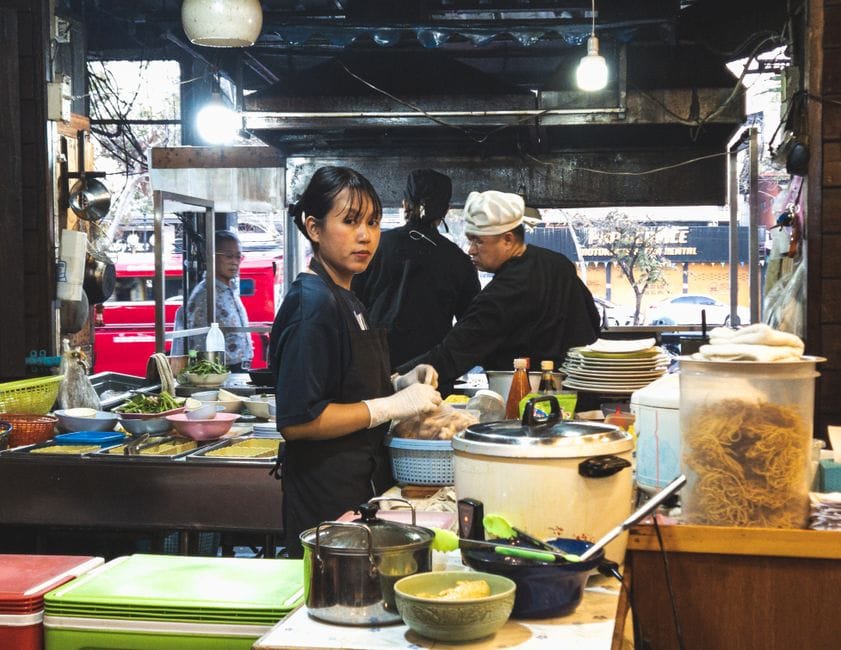
Few things sour a trip like a bad, overpriced meal in a place you will never return to. Tourist-trap restaurants cluster around the big sights for a reason: they only need each customer once. Avoiding them and finding the genuinely good places is a skill, and a few simple habits will steer you right almost anywhere in the world.
The warning signs
Some red flags are nearly universal. A menu in six languages with photographs of the food, a member of staff outside trying to wave you in, and a prime position right on the main tourist square all point the same way: a place living off passing trade rather than its cooking. Step a few streets back from the honeypot and the odds improve immediately.
What actually works
- Eat where locals eat, which usually means walking away from the main sights and watching where people who clearly live there go.
- Look for a short menu that changes; it suggests fresh, seasonal cooking rather than a freezer and a microwave.
- Go where it is busy with locals at local mealtimes, which in much of southern Europe is later than you might think.
- Ask someone who is not paid to tell you, a shopkeeper or your apartment host, rather than a hotel concierge with a deal.
A few more tricks
Markets are a reliable bet for lunch, full of stalls and small counters feeding the people who work there. Learning a few words of the language helps too; effort is rewarded with warmth and often a better table. And trust a place that does one thing, a pasta house, a grill, a fish restaurant, over one that claims to do everything.
None of this is foolproof, and part of the fun of travel is the occasional gamble that pays off. But follow these habits and you will eat far better, spend less and come home with the memory of a meal rather than a grievance. The good places are almost always there; you just have to walk a little further to find them.