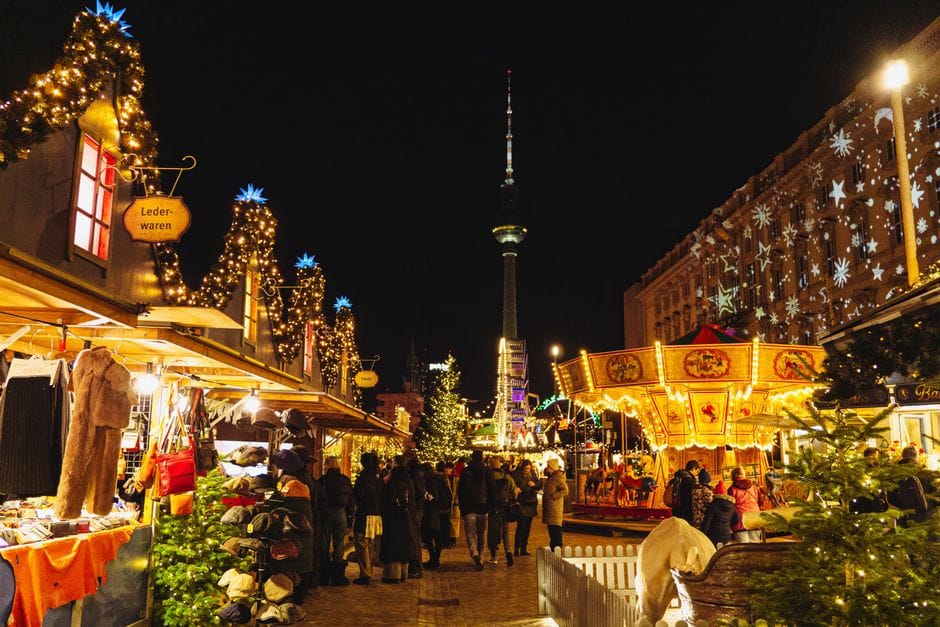
The big-name Christmas markets have become victims of their own fame. The most photographed squares in Germany and Austria now get so packed in December that you shuffle rather than stroll, paying premium prices for the privilege. The better experience is in the smaller towns nearby, where the same traditions run with a fraction of the crowds and half the cost.
Where to look instead
Alsace, the French region on the German border, does Christmas markets beautifully and spreads them across a string of small towns rather than one heaving city. Places like Colmar, Riquewihr and Eguisheim look like illustrations from a storybook even before the lights go up, and the wine is excellent. Across the border, smaller German towns run markets in their old squares with the same stalls and warmth as the famous ones, minus the queues.
Making the most of it
- Go on a weekday and in the early evening, when the lights are on but the crowds have not yet built.
- Keep your mug; in many markets you pay a small deposit on the mulled wine cup and can return it or keep it as a souvenir.
- Eat at the stalls rather than restaurants; the grilled sausages, roasted nuts and pastries are the point.
Practicalities
A small-town market trip works well by train and base; pick one walkable town with good rail links and day-trip to others nearby rather than dragging luggage between hotels. The markets generally run from late November to just before Christmas, and a midweek visit in early December avoids both the opening rush and the final-weekend crush.
Dress for standing about in the cold: warm boots, gloves and layers, because you will spend the evening outdoors with a hot drink in hand. The smaller markets win on atmosphere precisely because they are not trying to impress anyone; they are just doing what these towns have done for generations. That ease is exactly what the big ones have lost.