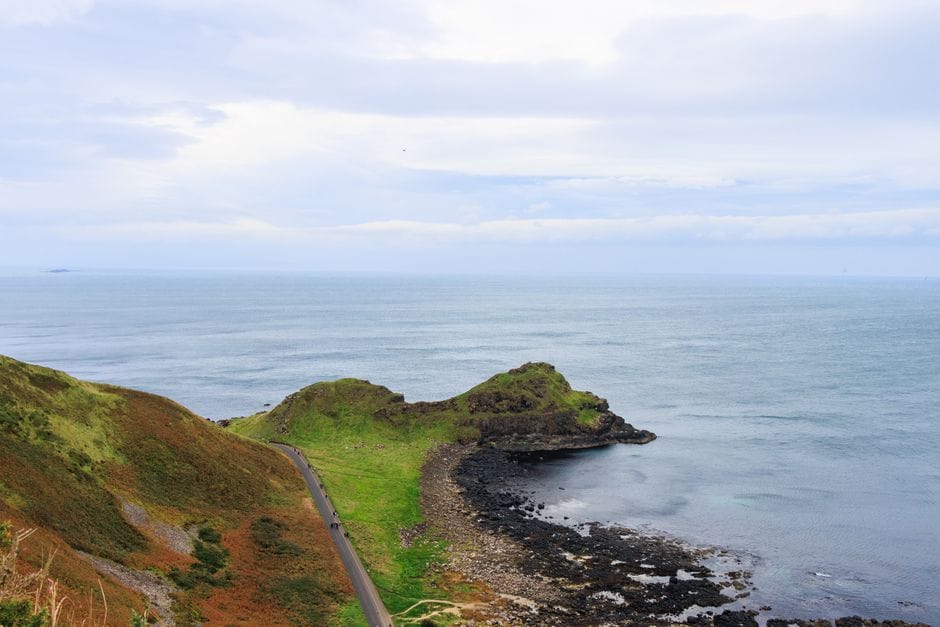
The Outer Hebrides string out along the far north-west of Scotland, a chain of islands facing the open Atlantic, joined to one another by causeways and ferries. This is the edge of Britain in every sense, a place of astonishing white-shell beaches, treeless moorland, ancient stones and a Gaelic culture that still lives. A road trip down the chain is one of the great journeys these islands offer.
The journey
You can travel the length of the islands, from Lewis and Harris in the north down through the Uists to Barra in the south, hopping by causeway and short ferry. The contrasts are striking: the peat moors and standing stones of Lewis, the mountains and unbelievable beaches of Harris, the flat watery machair of the Uists, ablaze with wildflowers in early summer, and tiny Barra, where the plane famously lands on the beach.
What not to miss
- The beaches of Harris, particularly Luskentyre, with white sand and turquoise water that look tropical until you feel the temperature.
- The standing stones of Calanais on Lewis, older than Stonehenge and far less visited.
- The machair in flower in late spring and early summer, a rare and beautiful coastal grassland.
Practical notes
Plan around the ferries, which need booking ahead in summer and can be cancelled in rough weather, so build in flexibility. Note that on some islands, observance of the Sabbath means shops, fuel and ferries may be limited on Sundays, so stock up in advance. Distances feel longer than the map suggests on single-track roads.
Late spring and summer bring the long daylight, the wildflowers and the best chance of fine weather, though the Atlantic guarantees nothing and you should pack for all of it. This is not a trip for those who need constant entertainment; it is for those who want space, silence, extraordinary light and a sense of being somewhere genuinely remote. Few places in Britain deliver that as completely as the Hebrides.