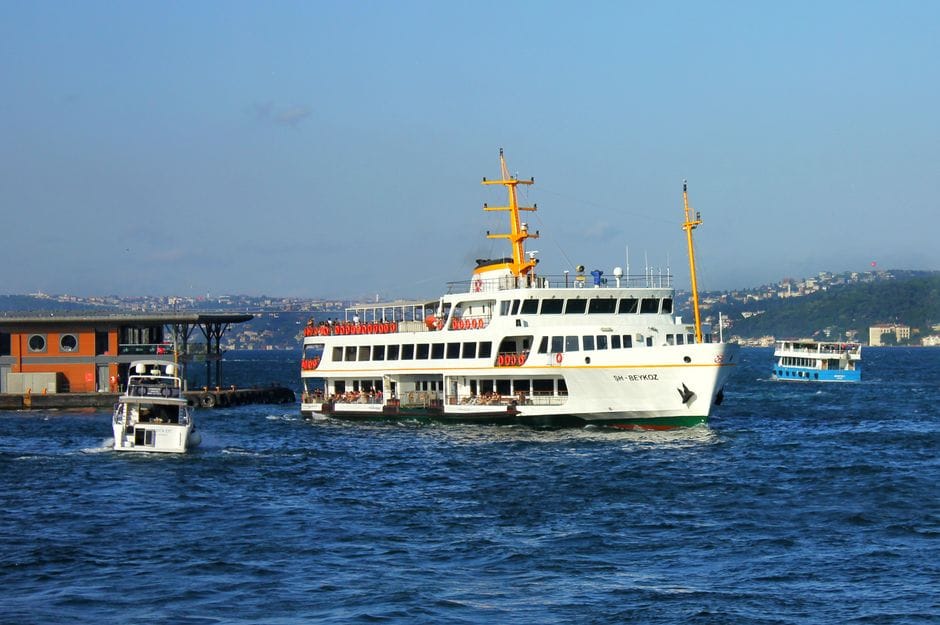
Flying is fast, but it is rarely pleasant, and for some trips the ferry is the better way to reach the Continent. Crossing by sea, especially with a car already loaded, sidesteps the baggage limits, the airport queues and the hire-car expense at the other end. It is slower, certainly, but it can be cheaper, more relaxing and a genuine part of the holiday rather than a chore to endure.
When the ferry wins
The ferry comes into its own when you want your own car at the destination, when you are travelling as a family or group, or when you simply dislike flying. You can pack the boot without weighing every bag, bring as much as the car holds, and step off at the far side ready to drive on into France, Spain or beyond. On the longer routes, an overnight crossing in a cabin saves a night's accommodation too.
Making it good
- Book a cabin on overnight crossings; arriving rested beats a sleepless night in a reclining seat.
- Choose your route to suit your destination; a longer crossing to western France or Spain can save many hours of driving.
- Pack a day bag for the crossing, since you cannot always return to your car on the longer routes.
The trade-offs
It is slower than flying, and the sea can be rough, so poor sailors should pick calm routes and seasons and come prepared. Fares vary enormously with timing and demand, so book ahead for the best prices. But factor in the avoided hassle and the car you bring with you, and the ferry often works out well, especially for longer family trips.
There is also something restorative about a sea crossing that no flight offers: the salt air on deck, the slow widening of the wake, the sense of genuinely travelling rather than being processed. For the right trip, the ferry turns the journey itself into the first chapter of the holiday. Sometimes the slow route really is the better one.