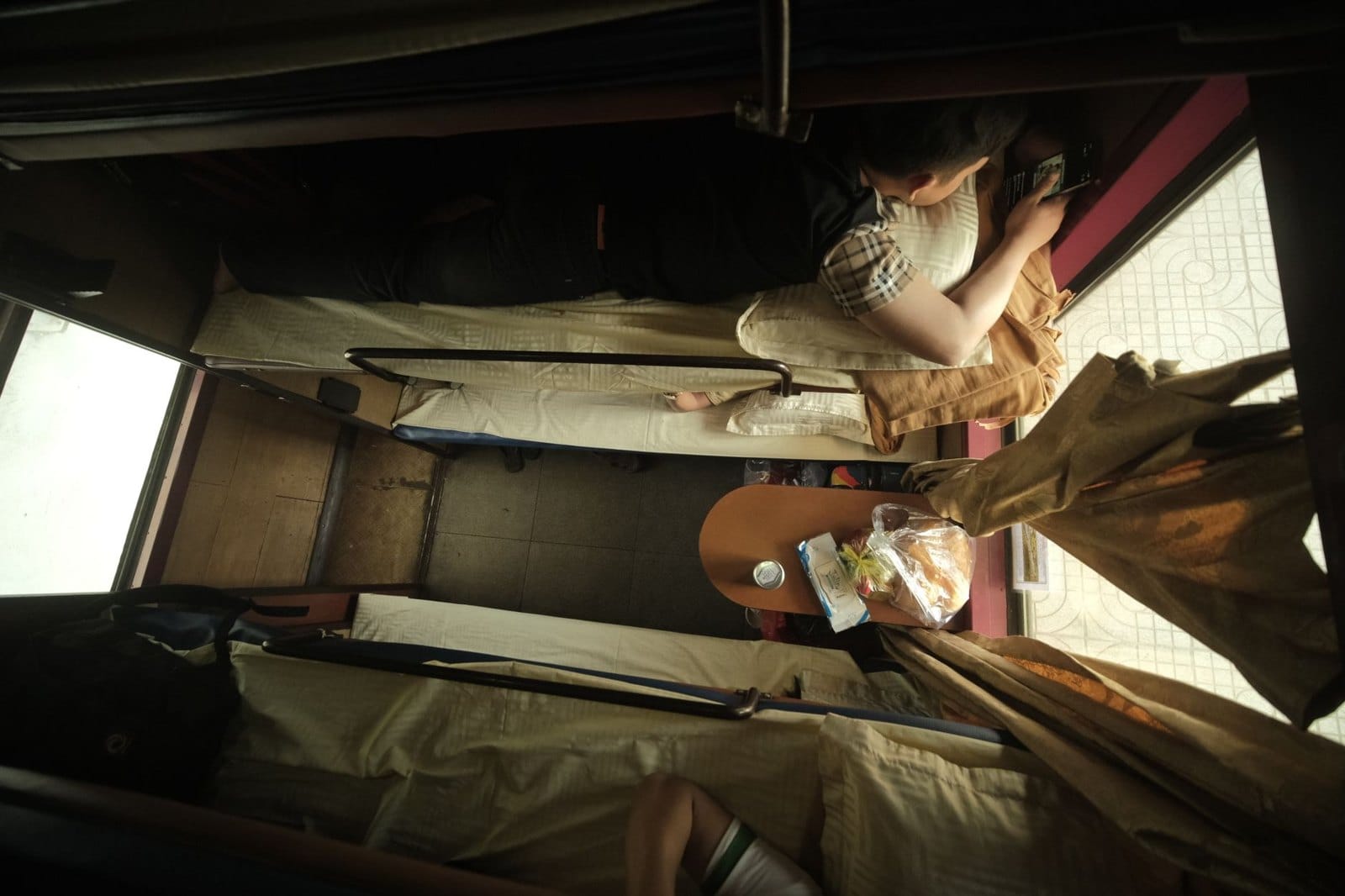
You board in Vienna a little after eight in the evening, eat a schnitzel off a fold-down table while the suburbs slide past, and wake up somewhere near the Italian lakes with a coffee being knocked on your door. No airport queue, no 4am alarm for a budget flight, no bag-drop scrum. For a stretch of years it looked as if Europe had quietly buried the sleeper train, and then, almost without anyone noticing, the berths started selling out again.
The revival is real, but it is patchy, and the gap between a brilliant overnight journey and a sweaty, sleepless eight hours sitting upright comes down to which train you pick and how you book it. British travellers have a particular handicap here: we lost the habit. Most of us grew up flying everywhere within Europe, so the muscle memory for reading a sleeper timetable, choosing between a couchette and a proper cabin, and dodging the booking traps simply isn't there. This is the summer to get it back.
Why sleepers came back from the dead
The honest answer is a mix of climate guilt and a genuinely better product. Austria's national operator, ÖBB, bet heavily on its Nightjet network when almost everyone else was scrapping carriages, and that bet paid off — by the mid-2020s the routes were running at high occupancy and new trains with sealed mini-cabins started rolling out. France brought back domestic sleepers it had written off. A clutch of private operators, most visibly European Sleeper with its Brussels–Berlin–Prague run, piled in to fill the gaps the state railways left.
There is also the simple maths of a summer night. A flight from London to Milan plus the airport faff at both ends eats most of a day and costs you a hotel night anyway. The train eats the night instead, and you arrive in the centre of the city rather than 45 minutes outside it with a transfer to buy. When it works, it genuinely buys you a free day — and that, far more than any green halo, is what keeps the berths full.
The routes actually worth your summer
Not every sleeper is a romance. Some are slow regional slogs with no air-conditioning that you'll regret in a July heatwave. These are the ones I'd put money on this year.
Paris–Vienna (Nightjet). The flagship. You leave Paris in the evening and roll into Vienna mid-morning, and the newest Nightjet stock on this corridor has the sealed solo "mini-cabins" that finally make solo travel feel private rather than like a hostel dorm on rails. It books out faster than almost anything else in the network, so this is not one to leave for the week before.
Brussels–Berlin–Prague (European Sleeper). The plucky upstart. The rolling stock is older and a bit rattly — be honest with yourself about that — but the route plugs a hole the big operators ignored for years, and from a Eurostar connection at Brussels it's a properly civilised way for a Londoner to reach central Europe without flying.
Hamburg/Vienna–Italian lakes and Rome. If your summer is pointed at Italy, the southbound Nightjets are the prize. Waking up as the train threads the Alps and drops towards Verona is the single best argument for the entire format. Demand is brutal in July and August.
Stockholm–the Arctic (the night train to Narvik/Abisko). A different beast entirely — this is the journey for travellers chasing the midnight sun rather than saving a hotel night. In late June the sun simply doesn't set up there, and watching forest give way to fells from a couchette at one in the morning, broad daylight outside, is the kind of thing you remember for a decade.
One route I'd actively steer you away from in high summer: the older couchette-only services with no climate control across southern Spain and parts of the Balkans. A six-berth couchette with the window jammed and outside temperatures still in the high twenties at midnight is misery, and no amount of nostalgia fixes it.
Couchette or cabin? Be honest about how you sleep
This is the decision that makes or breaks the trip, and it's where the price ladder lives. A seat is the cheapest option and almost always a false economy — you arrive a wreck. A couchette is a fold-down bunk in a shared compartment of four or six, you sleep in your clothes, and you're sharing with strangers. A sleeper cabin gives you a lockable room, a proper bed with linen, and often a washbasin; the top tier on the newest trains throws in an ensuite shower.
My rule of thumb: if you're travelling as a pair or a family, book a whole couchette compartment between you and the value is unbeatable. If you're solo and you're the sort of person who wakes at every cough, pay for the mini-cabin or a single sleeper and treat the difference as the price of arriving human. The middle ground — a single bunk in a shared six-berth couchette — is the one that disappoints people most, because you've paid more than a seat and still got none of the privacy.
What does it actually cost? Roughly, in 2026 money: a couchette berth on a Nightjet runs from around £55–£100 depending on how early you book, a private sleeper cabin lands somewhere between £140 and £280 for the room, and those headline-grabbing solo mini-cabins sit in the £120–£190 range. Prices climb steeply as departure nears and as July fills up, which brings us to the part most people get wrong.
The booking traps that catch British travellers
Sleeper fares are not like flights, and treating them like flights is how you overpay or miss out. Three things to burn into memory.
First, the booking window opens earlier than you'd expect — often around six months before departure — and the cheapest berths vanish in days on the popular corridors. If you already know you want Paris–Vienna in early August, the time to book was spring. The day you read this is, for most July and August dates, already on the late side, so check availability before you build a whole trip around a train that's sold out.
Second, beware the third-party booking sites that quote a fare and then bury a hefty fee, or that can't actually issue the berth class you selected. For ÖBB Nightjet, booking direct through the operator is usually cheapest and gives you a real human to talk to when something goes wrong; for the cross-border tickets a specialist like the long-running enthusiast guides will save you from blind alleys. The aggregators are convenient, but convenience here has a markup.
Third — and this is the one that genuinely costs Britons money — your Eurostar connection and your sleeper are usually two separate tickets with no protection between them. Miss the sleeper because Eurostar ran late and you may simply lose the fare. Leave yourself a buffer of a couple of hours in Brussels or Paris, not twenty minutes. A leisurely dinner near the station beats a sprint and a lost £200 cabin.
(And yes, you'll still need to think about the post-Brexit entry rules and the rolling EES checks at the Channel — a night train doesn't exempt you from any of that, it just changes where you cross.)
What to pack for a berth, and what to leave
The cabins are small, so the kit that makes the difference is small too. A proper eye mask and earplugs are non-negotiable; sleeper trains are dark but not silent, and the bloke in the next couchette will snore. A phone, a charger, and a power bank, because the single socket per cabin is often badly placed or shared. A bottle of water filled before you board, since the on-board bar shuts and the tap water varies. Slip-on shoes for the midnight trip to the loo. Nothing valuable left out — most cabins lock, couchettes mostly don't, so keep your passport and wallet in the bag you sleep on.
What to leave behind: the giant hard-shell suitcase. Storage on most sleepers is a shallow shelf and the gap under the bottom bunk, and wrestling a 75-litre case into a six-berth couchette at midnight will make you no friends. A soft holdall that squashes is worth more than any packing cube.
Is it actually for you?
Here's the honest counterweight to all the romance: a night train is not always cheaper than flying, it's rarely faster in pure clock terms, and a bad one will leave you grumpy and underslept on day one of a holiday you paid good money for. If your trip is two nights in a city and every hour counts, a cheap morning flight may genuinely be the smarter call.
But for the right journey — Alps at dawn, a free day reclaimed from an airport, a kid pressed to the window watching Europe roll by in the dark — there's nothing else like it. Book early, pick the cabin over the couchette if your sleep is precious, leave a fat buffer on your connection, and pack light. Do that, and you'll wake up in another country wondering why you ever queued at a gate at six in the morning. The schnitzel on the fold-down table is optional, but I'd recommend it.