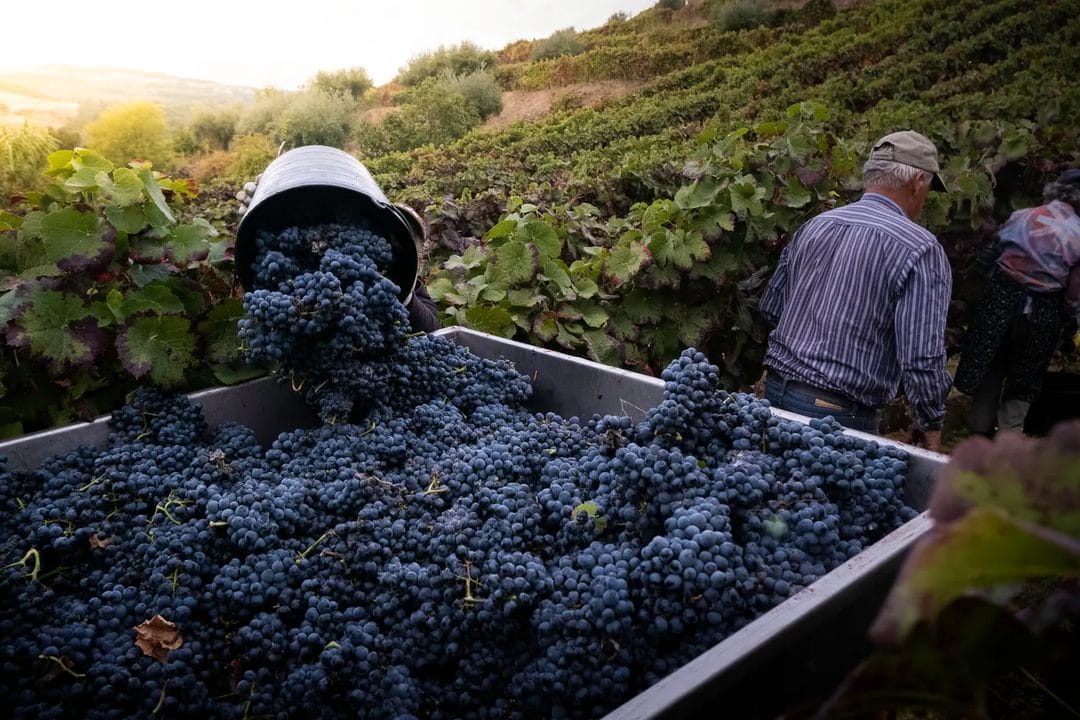
By the last week of August, the terraces above Pinhão are already busy with a different kind of traffic. Quinta workers walk the rows checking sugar levels in the grapes, tasting a berry here and there, deciding — not by calendar but by taste — when the harvest actually starts. Most years that means the first pickers are out by the first week of September, and for the next four to six weeks the whole Douro Valley runs on a rhythm that has nothing to do with the tourist season everyone else just left behind. This is the trip British travellers keep discovering a year too late, usually after seeing someone else's photos of purple-stained feet in a stone lagar and wondering why nobody mentioned it sooner.
Why September, specifically
The Douro's vindima — the grape harvest — is weather-led rather than date-led, so exact timing shifts by a week or two each year depending on how the summer played out. In practice, it runs from the first days of September through to early or mid-October, with the busiest picking weeks usually falling in the middle two or three weeks of September. Touriga Nacional and Touriga Franca, the backbone grapes of both Port and increasingly serious Douro red wines, tend to come in later than the white varieties, so a trip timed for mid-September gives you the best odds of seeing several different plots being picked rather than one quiet, half-finished terrace. Temperatures by then have dropped from August's brutal 38–40°C highs to a far more liveable low-to-mid 30s during the day and genuinely pleasant evenings, which matters more than it sounds on terraced hillsides with almost no shade. Quinta managers watch the forecast obsessively through the last week of August, because a single hot spell can push sugar levels up fast enough to shift a picking date forward by several days with almost no warning. Book accommodation with some flexibility on your arrival date if you can, since the more rigid package operators sell fixed September weeks that don't always line up with what's actually happening on the hillside that particular year. The upside of that unpredictability is that nobody is faking the experience for tourists — you're watching a working harvest run on its own schedule, not a re-enactment timed for coach parties.
What August tourists miss is that the valley in high summer is essentially decorative — beautiful terraces, closed-up quintas, heat that keeps everyone indoors between noon and five. September flips that. The same hillsides fill with pickers, tractors hauling crates of grapes down to the wineries, and the smell of fermenting must drifting out of open lagares in the evening. It's the one month where the Douro is doing the thing it's actually for, rather than just posing for it.
Getting there and getting up the valley
Porto is the gateway, and getting there from the UK in September is genuinely cheap — TAP, easyJet and Ryanair all run direct routes from London, Manchester, Bristol and Edinburgh, with September fares regularly landing between £45 and £110 return if you book six to eight weeks out. From Porto, skip the car hire for the first leg and take the Linha do Douro train instead: it follows the river from São Bento station, hugging the water for most of the two-and-a-half-hour run to Pinhão, and the €13–€15 second-class fare buys one of the better train views in Europe without the faff of driving mountain switchbacks on your first day. Pinhão itself is tiny — a handful of streets, an azulejo-tiled station worth ten minutes on its own, and a river frontage lined with rabelo boats — but it's the natural base for reaching most of the harvest-hosting quintas within a 20-minute taxi ride.
Hire a car only once you're actually staying up the valley rather than day-tripping from Porto. The N222, which runs along the river between Régua and Pinhão, was named the world's best road by Michelin in 2015, and driving it in September — with picking crews working the terraces on either side — is a completely different experience from doing it in the dead heat of July.
Where to actually watch — and join — the harvest
A handful of quintas run proper harvest-season visitor programmes rather than the usual tasting-and-gift-shop routine, and they're worth booking well ahead of a September trip because slots fill fast once local wine media start covering the season. Quinta do Bomfim, the Symington family's Dow's estate near Pinhão, runs guided harvest walks through working vineyards followed by traditional foot-treading in a granite lagar, with the whole experience including lunch running around €95–€120 per person. Quinta da Pacheca, just outside Régua, has built an actual wine hotel around its 18th-century estate and runs grape-stomping evenings with live music through September at a similar price point — book the treading session, skip the "wine spa" add-on, which is a gimmick that has nothing to do with why you came. Quinta do Crasto, dramatically perched above a bend in the river, is quieter and more working-farm than either, and its harvest-season tours feel less choreographed as a result. Further downriver, Quinta Nova has turned an old family estate into a small hotel that still processes its own fruit on site, so guests can wander from the pool terrace straight into the lagar room without ever getting in a car. None of these programmes are cheap by Portuguese standards, but they're honest about what they are — a working farm letting paying guests join in for a few hours, not a staged photo opportunity dressed up as tradition. Reserve at least two weeks out for a weekday slot and closer to a month for a Saturday, because word has clearly got around among wine-tour operators booking blocks of places for their own groups.
Stay on a working quinta if the budget allows it — from around €180 a night for a simple room to €400-plus for the higher-end estates — because the difference between watching the harvest from a terrace and hearing the tractors and the singing from your own bedroom window at 6am is not a subtle one. Six Senses Douro Valley, further downriver near Lamego, sits at the top of that range and is worth it for one night even if you base yourself somewhere cheaper for the rest of the trip.
What treading actually involves surprises most first-timers.
You're not casually paddling around in a shallow trough of grapes for a photo. A proper lagar session is knee-deep, physically demanding, choreographed to a slow rhythmic march called the corte, and usually goes on for two or three hours with breaks — traditional Port houses still do this by hand for their best vintage-declared wines because mechanical pressing can't replicate the gentle way human feet extract colour and tannin without crushing the pips. Wear clothes you don't mind staining purple. Bring a second pair of shoes.
Eating through harvest season
Quinta kitchens shift into a specific register during vindima that you won't get the rest of the year, because they're feeding picking crews as well as guests. Expect heavier, more restorative food than the seafood-and-salad Porto default: cabrito assado (roast kid goat) with roasted potatoes, açorda bread soup thick enough to stand a spoon in, and feijoada studded with chouriço, all built to refuel people who've spent the day bent over vines on a 30-degree slope. Walnut cake and rice pudding both turn up constantly at harvest lunches, and neither is a coincidence — walnuts come off the same estates around the same time, and rice pudding is the traditional reward meal for the last day of picking on a given plot. Pair the meal with whatever the quinta is drinking that week rather than ordering off a wine list; a working estate mid-harvest will usually have last year's still-young Douro red open on the table, and it's a genuinely different thing to taste a wine from grapes that came off the hill you can see from the dining room twelve months earlier.
Skip the touristy riverside restaurants directly on Pinhão's main strip in September — they're pleasant but priced for the crowd that doesn't know any better, and a ten-minute walk uphill into the town gets you the same grilled trout or posta mirandesa steak for a third less at a place actually run by someone's family. Tabuaço and Provesende, both a short drive from Pinhão, have a couple of genuinely excellent tasca-style restaurants that rarely make English-language guidebooks; ask your quinta host for a recommendation rather than relying on a map app, because the best of them don't have much of an online presence at all.
What it costs, realistically
Budget roughly £700–£1,000 per person for a five-night September trip from the UK, covering flights, a mix of quinta and Pinhão-town accommodation, the train up from Porto, one or two harvest experiences, and meals — Portuguese menu do dia lunches still run €12–€18 including a glass of house wine, which does a lot of work for the budget-conscious end of the trip. That figure climbs quickly if you add a Six Senses night or a Douro river cruise; operators like Douro Azul run one- to three-night harvest-season sailings from Porto or Régua from around €250 per person per night, cabin included, which is worth it once but not a trip in itself.
The bit nobody puts in the brochure
September in the Douro is not guaranteed sunshine, and a wet week can genuinely delay picking by several days across the whole valley — 2024's harvest was pushed back nearly two weeks in some quintas after unseasonal rain, and pickers simply waited it out rather than bring in underripe fruit. Build a day or two of slack into the itinerary rather than flying in and out on a tight 72-hour window; you want flexibility, not a fixed appointment with grapes that might not be ready. And travel light on the paperwork side of things too — as an EU country, Portugal now runs the Entry/Exit System at Porto airport, so first-time UK arrivals should expect a short fingerprint-and-photo registration at passport control rather than the old stamp-and-wave, and should still be counting days against the 90-in-180 Schengen limit if the Douro trip is one leg of a longer European run.
Go for the second or third week of September if you have any flexibility on dates. Book the lagar treading experience before the flights, not after — the good sessions at Bomfim and Pacheca sell out well before most people have even worked out where Pinhão is on a map, and turning up to a quinta during harvest with no booking gets you a tasting room, not a lagar.