Edinburgh Airport diverted flights and cancelled others in late July as thunderstorms broke a heatwave that had already pushed London past 35°C for the third time this year. That single detail explains more about British holiday planning in August 2026 than any trend report: after a summer this erratic, "somewhere reliably cool" has become a search term in its own right, and the destinations answering it are not the ones travel brochures usually push in July.
The weather behind the rush to book north
The UK has now had four separate heatwaves this summer, and 2026 is the first year on record with temperatures of 35°C or higher recorded in three different months. The most recent spell built through late July, peaking on the 29th with highs of 35°C across London, the South East, the East Midlands and the East of England. The UK Health Security Agency issued an amber heat-health alert for those four regions and a yellow alert covering Yorkshire and the Humber, the West Midlands and the South West — official language for "this is no longer a pleasant warm spell." Search data backs up what the alerts suggest: coolcation queries were up 74% year on year by early 2026, and searches for Iceland flights specifically rose 85% over the same period. None of that means the coast is finished for August. It means a meaningful slice of the market has decided that a 32°C beach holiday and a genuinely relaxing one are no longer the same thing, and the three destinations below are where that decision is actually taking people this month.
Iceland without the long-haul price tag
Reykjavik's appeal in August has nothing to do with the aurora — that's a winter draw — and everything to do with daytime temperatures that rarely climb past 15°C even during a warm spell. easyJet's headline fares to Reykjavik start from £30.17 one way, which sounds almost implausible until you factor in that August sits squarely inside Iceland's high season, and the realistic fare for a specific late-August date will run well above that number once early or late departure slots are gone. Book six to eight weeks out rather than at the last minute; Icelandic accommodation and car hire both tighten up considerably once the school summer holidays are in full swing, and waiting until the week before travel is the single most common way British travellers overpay for this route.
The city itself rewards a short stay better than a long one. Three or four days is enough for the Sky Lagoon (a cheaper, less crowded alternative to the Blue Lagoon that locals actually rate more highly, with entry running roughly £45–£65 depending on the package), a drive along the Golden Circle to Þingvellir and Geysir, and an evening at Reykjavik's harbour-front bars, which stay properly light until close to midnight in August. Skip the rental-car temptation if you're only doing the Golden Circle — a day tour from the BSÍ bus terminal covers the same ground for less hassle and a fraction of the excess-insurance headache that comes with Icelandic gravel roads. Budget guesthouses around the Hlemmur area run from roughly £90 a night in August, considerably less than the Reykjavik hotels chasing peak-season aurora-adjacent branding, and they're a five-minute walk from the same harbour bars.
The Highlands, reached without setting foot in an airport
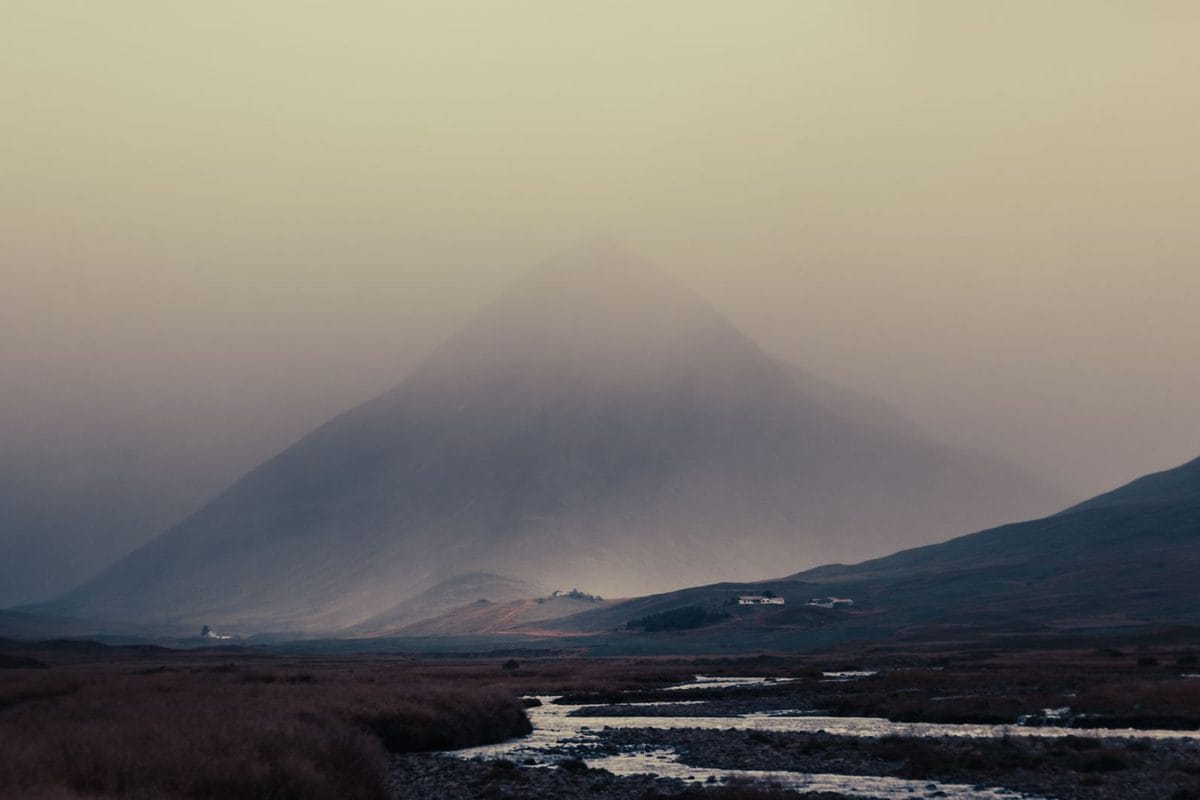
Not every coolcation needs a boarding pass. The Caledonian Sleeper's Highland service leaves London Euston each evening — now picking up at Birmingham International as well, since a January 2026 timetable change — and splits at Edinburgh, with one section continuing on to Fort William through some of the most dramatic rail scenery in Britain, including the Glenfinnan Viaduct. The full journey takes roughly twelve hours forty-five minutes, which sounds long until you remember you're asleep for most of it and step off the train already in the West Highlands rather than at an airport an hour's transfer from anywhere useful.
Seated and berth fares start from around £77, and a private two-berth Classic Room with its own washbasin runs from about £190 — steep next to a budget flight, reasonable once you account for a night's accommodation you'd otherwise be paying for separately. Families travelling together can claim up to 33% off the standard fare, which narrows the gap further. Fort William and the surrounding glens sit at daytime highs of roughly 11–18°C through August, cool enough that an evening jumper earns its keep even mid-month. Once you're there, the low-level path around Glen Nevis costs nothing and takes half a day, the Jacobite steam train to Mallaig (the route Harry Potter fans will recognise from the Hogwarts Express scenes) runs at around £50–£60 return, and the Ben Nevis Inn does a fixed-price dinner that's better value than almost anything comparable in the Alps. Fort William is also the official end point of the West Highland Way, and a short two-hour stretch of the path north towards Nevis Bridge gives a decent sense of the scenery without committing to the full 96-mile route from Milngavie. That's genuinely no-flight travel, and for anyone who has watched departure boards fill up with delays during a heatwave, that alone is worth the ticket price.
It rains here more than almost anywhere else you'd consider for a summer trip.
That's the trade-off nobody advertises: the Highlands stay cool because Atlantic weather systems roll through constantly, and a dry week in Glencoe in August is closer to good luck than a booking guarantee. Pack for both — layers and a proper waterproof, not a rain jacket bought for occasional London drizzle.
Chamonix trades the beach for altitude
Geneva is the standard gateway to the French Alps, and a one-way easyJet flight departing Sunday 30 August from London Gatwick was pricing at £34 per passenger when checked this week — competitive with a short-haul Mediterranean fare and considerably cheaper than most people assume for an Alpine trip. Geneva Airport to Chamonix is about an hour to ninety minutes by road or shuttle bus, run frequently enough in summer that pre-booking a specific time isn't essential.
What Chamonix actually sells in August is altitude, not scenery for its own sake. Average daytime temperatures sit around 18–19°C in the valley, against low-thirties highs recorded in southern England during this summer's heat domes, and taking the Aiguille du Midi cable car up to 3,842 metres drops the air temperature further still — genuinely cold enough for a proper coat, even in high summer. A return ticket on that cable car runs close to €75, which stings next to the £34 flight that got you to Geneva, but a Mont Blanc Multipass covering several lifts over multiple days works out considerably better value if you're staying more than two nights. The better call for anyone without serious hiking experience is the Grand Balcon Nord trail rather than anything requiring crampons or a guide; it's a full-day walk with views across to Mont Blanc that doesn't need technical kit, unlike most of what Chamonix is famous for among climbers. Budget chalet-hostels in the valley start around £35 a night in August, well below what a comparable bed costs on the Côte d'Azur at the same time of year.
Book now, not in a fortnight
There's a reason the timing matters more this August than in a typical year. Spanish ground-staff unions called a CGT strike from 4 August affecting check-in, baggage handling and aircraft turnaround for more than twenty airlines, and Swissport ground-handling staff at Palma de Mallorca — one of the busiest hubs for British holidaymakers — have separate industrial action planned for the same month. None of that touches Iceland, the Highlands or Chamonix directly, but it does mean the usual fallback of "just book Spain last minute if the cooler options fill up" carries more risk than usual this year.
Travel advisers tracking the coolcation trend recommend booking six to eight weeks ahead for the strongest fares, and that window has already closed for the first half of August — which puts the practical focus on late-August and early-September departures, when school-holiday pricing starts easing and Highland weather, at least, tends to settle slightly. Iceland and the Alps are the better choice for anyone who wants a single flight and a short transfer; the Caledonian Sleeper is the better choice for anyone who'd rather not deal with an airport at all this year, strikes or no strikes.
The paperwork most people forget
A UK GHIC covers emergency and necessary healthcare in Iceland and France under the same reciprocal terms that apply across the EEA, but it isn't a substitute for private travel insurance, and it specifically doesn't cover mountain rescue or medical evacuation — the exact scenario that matters most on a glacier walk near Reykjavik or a high-altitude trail above Chamonix. Check that any policy bought for either trip explicitly lists hiking above a stated altitude or glacier activity as covered, since standard leisure policies often exclude both by default and only add them back in for an extra premium. The Highlands sidestep this issue entirely: it's a domestic trip, NHS cover applies as normal, and the only real risk is a soaked pair of boots on the Glen Nevis path.
Whichever route gets picked, the Edinburgh diversions from late July are a reasonable enough reminder that "reliable" and "hot" have stopped meaning the same thing this summer.