By the second week of August, the queue for Diocletian's Palace in Split had spilled past the fish market and out onto the harbourside, and a coach party from Stuttgart was arguing with a gelato seller about change for a fifty-euro note. Twenty minutes up the coast in Trogir, though, you could still get a table by the water without booking ahead, and the loudest sound after nine in the evening was cutlery rather than a cover band. That gap — between a headline destination groaning under its own popularity and a near-identical town twenty minutes away running at half capacity — is where the smart late-summer trip lives this year. Venice's day-tripper entry fee exists for a reason: on peak days last July the city recorded well over 100,000 visitors passing through in a single day, against a resident population of roughly 49,000, and the council has been explicit that the charge is meant to manage crowding rather than raise serious revenue. Barcelona's tourist tax now runs up to €4 a night on top of the regional levy, and the city has been steadily stripping short-let licences out of the Ciutat Vella district since 2024. None of this means the famous places have stopped being worth seeing. It means the last two weeks of August and the first three of September are exactly the window when travelling fifteen or twenty miles off the obvious route pays off, both in pounds and in patience.
The Swap List: Same Character, Half the Queue
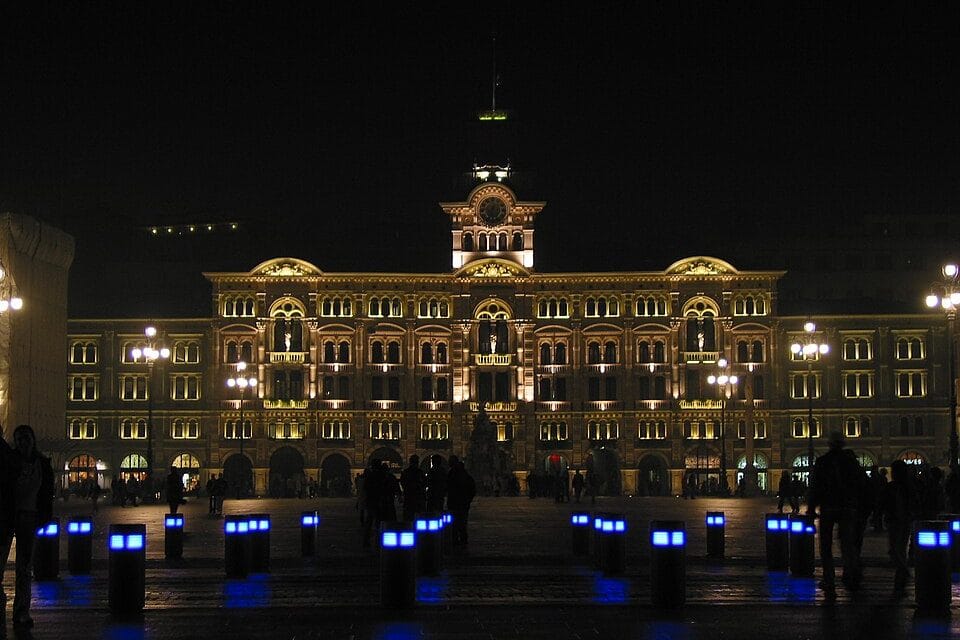
Girona has spent the past few years quietly becoming what Barcelona was in the early 2000s — a walled old town with a cathedral staircase worth climbing, a river lined with pastel houses, and restaurant prices that haven't yet caught up to its social-media following. It's an hour and twenty minutes from Barcelona by train, or forty minutes from Girona-Costa Brava airport, where Ryanair and Vueling both land several times a week, and it gets a fraction of the footfall with none of the queue for the Sagrada Família. Ghent does the same job for Bruges: the canals, the medieval guild houses, a belfry you can climb for a view over the rooftops, and — because it's a working university city rather than a museum piece — bars that stay open past ten and don't charge tourist prices for a Duvel. Trieste stands in for Venice reasonably well if what you actually want is grand café culture, Habsburg-era architecture and a proper seafront, minus the vaporetto crush and the entry turnstiles; it sits on the wrong side of the Adriatic to attract the cruise-ship crowd, which is precisely the point. Aarhus covers the Copenhagen itch — design shops, a food scene with genuine ambition, a beach you can cycle to in twenty minutes — at roughly two-thirds of the hotel prices. And Sibiu, in Transylvania, has cobbled squares and pastel Saxon townhouses that get compared to Prague constantly, usually by people who've been to both and mean it as a compliment, though its UK airport connections are patchier and worth checking before you commit to dates. Dubrovnik's own overflow now drains south into the Bay of Kotor, where the old town has the same Venetian stonework and fortified walls at a fraction of the price — a walking tour that costs £35 in Dubrovnik runs closer to €18 in Kotor, and nobody is rationing entry through the city gates.
Go to Trieste instead of queueing for Venice's turnstiles this August — for a four-night break it's simply the better trip, and the espresso at Caffè San Marco costs a third of what you'd pay on the Grand Canal. Ghent deserves the same treatment: book it as your base and do Bruges as a single afternoon trip on the train, rather than the other way round. That's the smarter split, not a compromise.
Booking It This Week Without Overpaying
The fare gap between the obvious airport and the smart one is bigger than most people check for.
A late-August return from London Stansted to Girona on Ryanair was still showing under £70 as of this week, against upwards of £140 into Barcelona-El Prat for equivalent dates. Ghent doesn't have its own airport, but Brussels South Charleroi is under an hour away by bus and easyJet flies there from Bristol, Manchester and Gatwick; the FlixBus onward connection runs about €12. Trieste's airport takes Ryanair and Wizz Air from several UK cities, and hotel doubles in the old town were listing from around €95 a night in early September — roughly half of what a comparable three-star costs on the Venetian mainland at Mestre, let alone on the lagoon itself. For anyone already holding an Interrail or Eurail pass, several of these towns line up neatly along existing routes:
- Girona sits directly on the Barcelona–Perpignan–Montpellier line, so it costs nothing extra to add as a stopover.
- Ghent is fifteen minutes by fast train from Brussels-Midi, which is itself on the Eurostar line from London St Pancras.
- Trieste connects to Ljubljana in under two hours, which makes a Venice-avoiding loop through Slovenia genuinely workable.
- Aarhus is reachable by train from Hamburg in around five hours, for travellers building a longer Northern Europe route, among other combinations worth pricing out before you commit to flights.
Wizz Air and Ryanair both release additional late-summer capacity on these secondary routes roughly six to eight weeks out, which is exactly the window closing now for early-September travel — the earlier you book against that release, the more the saving compounds.
What Actually Changes Once You're There
The trade-off is real, and it's worth naming rather than glossing over. A smaller city genuinely has less to do: Trieste doesn't have St Mark's Basilica, Ghent doesn't have the Markt square's postcard density, and Sibiu's museums close earlier and shut entirely on Mondays. If your trip is built around one specific landmark rather than the texture of a place, the swap won't satisfy in the same way, and pretending otherwise does nobody any favours. What you get instead is a city that still functions as a city — where locals outnumber visitors at breakfast, where a barman remembers your order on night two, and where the light on the piazza at 7pm belongs to residents having a drink after work rather than a tour group photographing itself for the third time. Trieste's Caffè degli Specchi has been serving the same square since 1839, through Habsburg rule, Italian annexation and everything since, without ever needing to add a surcharge for sitting down.
Book the accommodation for these towns further out than you would for the famous names, not closer in — supply is thinner precisely because demand hasn't caught up yet, and the good four-star doubles in Girona's old town were already down to single-figure availability for the first weekend of September when this was checked. Skip the aggregator sites for the smaller places and go straight to the hotel's own booking page where possible; several of the family-run options in Sibiu and Aarhus still charge aggregator commission back to the guest in the form of a higher published rate. None of that changes the basic maths, though: a week that would have cost £900 in Split or Dubrovnik right now runs closer to £550 in Trogir or Kotor, and the extra plate of grilled fish that buys is worth more than the view everyone else is queueing for.
A Note on the Heat
Mid-August still means genuine heat across all of these routes — Sibiu and Trieste regularly sit in the low thirties by early afternoon, and Kotor's bay traps humidity against the mountains behind it. Build the day around it rather than fighting it: locals in every one of these towns eat lunch late and sit out the worst two hours indoors or by water, and the restaurants that stay busiest between two and four are the ones without air conditioning, not the ones with it. Pack for a swim you weren't planning on. The fjord-like inlet at Kotor and the quarry lake outside Sibiu both turn a stifling afternoon into the best two hours of the trip, and neither shows up on the standard sightseeing list handed out at the hotel desk.